Accidents
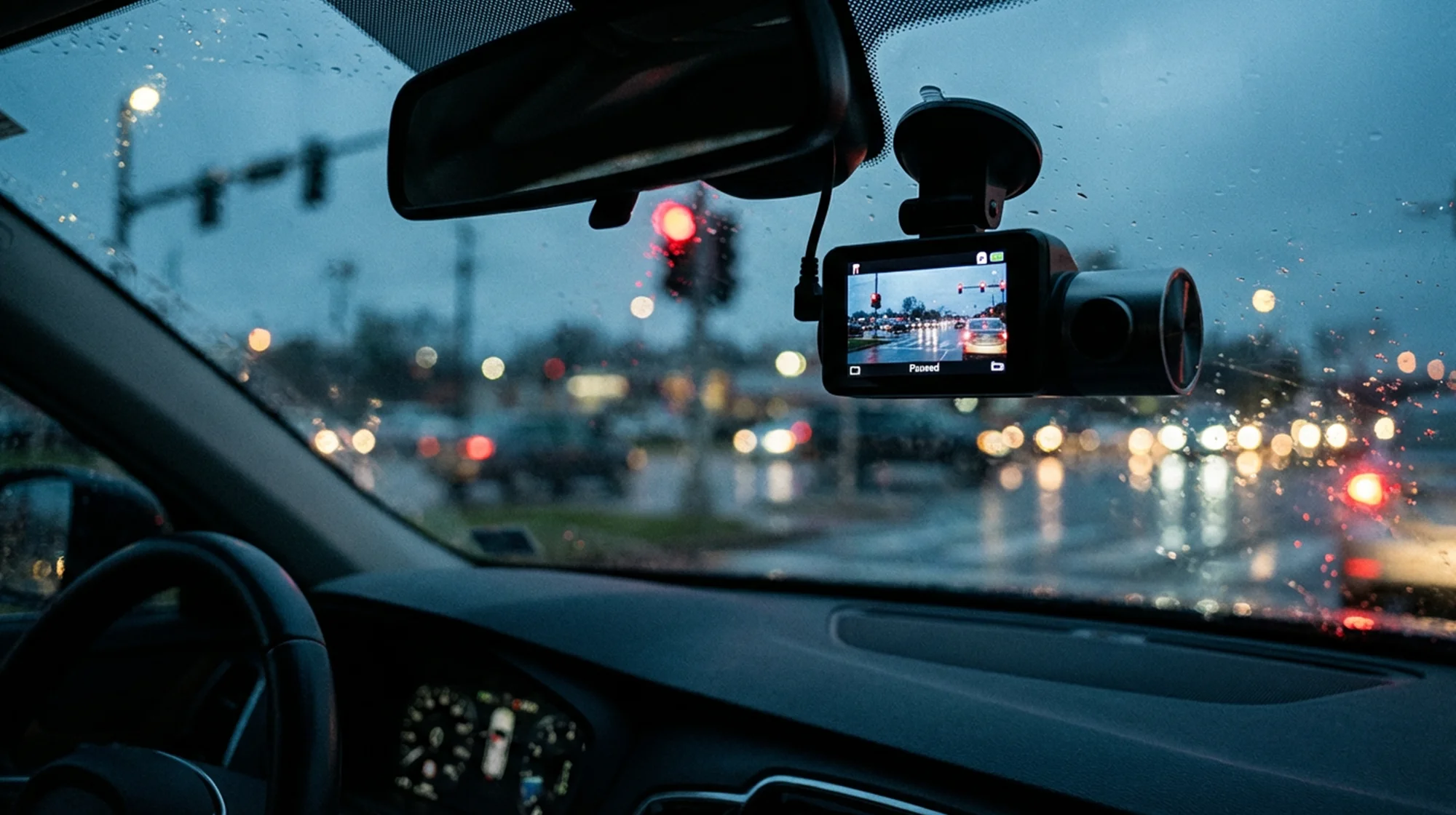
Dashcam footage is becoming one of the most powerful forms of evidence in Maryland car accident cases. When used correctly, video can resolve liability disputes quickly and protect injured victims from unfair insurance tactics. When mishandled, however, dashcam footage can significantly damage an otherwise valid claim.
If your crash was captured on video, understanding how dashcam footage can impact your injury claim is critical. This article explains how insurers evaluate dashcam footage, when video helps or hurts a case, and how to preserve and use this evidence strategically under Maryland law.
Watch The Video Overview
Maryland’s contributory negligence rule makes video evidence especially important. Because even a small allegation of fault can bar recovery entirely, insurers scrutinize dashcam footage frame by frame looking for any conduct that could shift blame to the injured driver.
Clear video evidence can prevent mischaracterization of events, but incomplete or misleading footage can also be taken out of context. Understanding this balance is key.
Dashcam footage often provides an objective account of how a crash occurred. When the video clearly shows traffic signals, lane positions, and the sequence of events, insurers are less able to rely on speculative defenses.
Dashcam footage may help by showing:
Dashcam footage is not always favorable. Insurers often analyze video to identify any conduct that supports a contributory negligence defense.
Examples of potentially harmful footage include video showing:
Even conduct that seems minor can be magnified by insurers under Maryland law. For this reason, dashcam footage should be preserved carefully and reviewed before broad disclosure.
Dashcam systems frequently overwrite footage within hours or days. Preserving the video
promptly helps prevent loss of critical evidence.
Best practices for preserving dashcam footage include:
Whether dashcam footage must be disclosed depends on the stage of the claim. In early insurance negotiations, there may be strategic reasons to delay disclosure until the context can be properly explained.
Once litigation begins, dashcam footage is typically discoverable. At that stage, ensuring authenticity and preventing misinterpretation become priorities.
In addition to dashcams, other video sources may capture a crash or its aftermath. Identifying these sources early increases the chances they can be preserved.
Additional video sources may include:
Certain mistakes can undermine the value of dashcam evidence:
Dashcam footage can be a powerful asset or a serious liability depending on how it is handled. Early guidance can help ensure video evidence strengthens rather than harms your injury claim.
SG Legal Group represents individuals injured in Maryland car accidents and routinely evaluates video evidence as part of case strategy. A prompt consultation can help determine how dashcam footage affects your claim.
Disclaimer: This article is for informational purposes only and does not constitute legal advice. Every case is unique. Consult an attorney regarding your specific circumstances.
Joshua C. Sussex, Esq.
Stay informed with our latest articles and resources.