Personal Injury
A nursing home injury in Maryland can leave families feeling blindsided. You may arrive for a visit and find your loved one bruised, in pain, or suddenly sent to the hospital. The facility may offer a brief explanation—“They fell,” “It was unavoidable,” or “That’s their baseline”—without meaningful detail. While some medical events are unavoidable, many injuries in long-term care settings are preventable with reasonable supervision, adequate staffing, and timely medical response. The steps you take in the first hours and days after discovering an injury can protect your loved one’s safety and preserve evidence that may be critical later.
Your top priority is your loved one’s health. Ask what assessment has been performed and what treatment is planned. If the injury is serious, unclear, or the facility seems slow to respond, consider requesting an independent evaluation at a hospital or urgent care setting. An outside medical record can provide an objective description of the injury, the suspected mechanism, and the urgency of treatment. This is especially important for head injuries, suspected fractures, sudden changes in mental status, signs of infection, or any situation where “waiting until the morning” could worsen outcomes.
Documentation should be calm, respectful, and focused on accuracy. If permitted, photograph visible injuries and the surrounding environment. Bruising can change rapidly, and the condition of a room or bathroom may be different after staff clean up. Write down the date and time you learned of the injury, who notified you, and exactly what you were told. If a fall is alleged, note whether bed alarms, call lights, non-slip footwear, or mobility aids were in place. If the injury involves skin breakdown, photograph the wound over time and ask for wound care documentation.
Facilities maintain records that can clarify what happened, but those records may not be provided proactively. Ask for the incident report (or event report), the care plan, recent nursing notes, medication administration records, and any documentation related to supervision or safety checks. If your loved one was sent to a hospital, request the transfer paperwork and discharge summary. If surveillance cameras exist, ask that relevant footage be preserved immediately. Many systems overwrite video quickly.
Clear questions often produce clearer answers. Ask when the injury was first noticed, who discovered it, and what was done immediately afterward. Ask whether the resident was on a fall-risk plan, whether alarms were in place, and when the last safety check occurred. If the explanation is “unwitnessed fall,” ask how frequently rounds were conducted and whether call light response times were tracked. If you receive inconsistent answers from different staff members, write that down. Inconsistencies can be important later.
Certain injuries tend to raise predictable care questions. Falls with fractures may suggest supervision failures, unsafe transfers, or ignored fall-risk protocols. Head injuries can indicate inadequate monitoring after a fall or delayed response to symptoms. Pressure sores may indicate missed turning schedules, poor hygiene, or delayed wound care. Medication errors can occur when staff are overwhelmed or documentation is incomplete. Dehydration and malnutrition can develop when intake is not monitored or assistance with meals is inconsistent. Unexplained bruising, fractures, or sudden fearfulness can raise concerns about rough handling, improper transfers, or abuse.
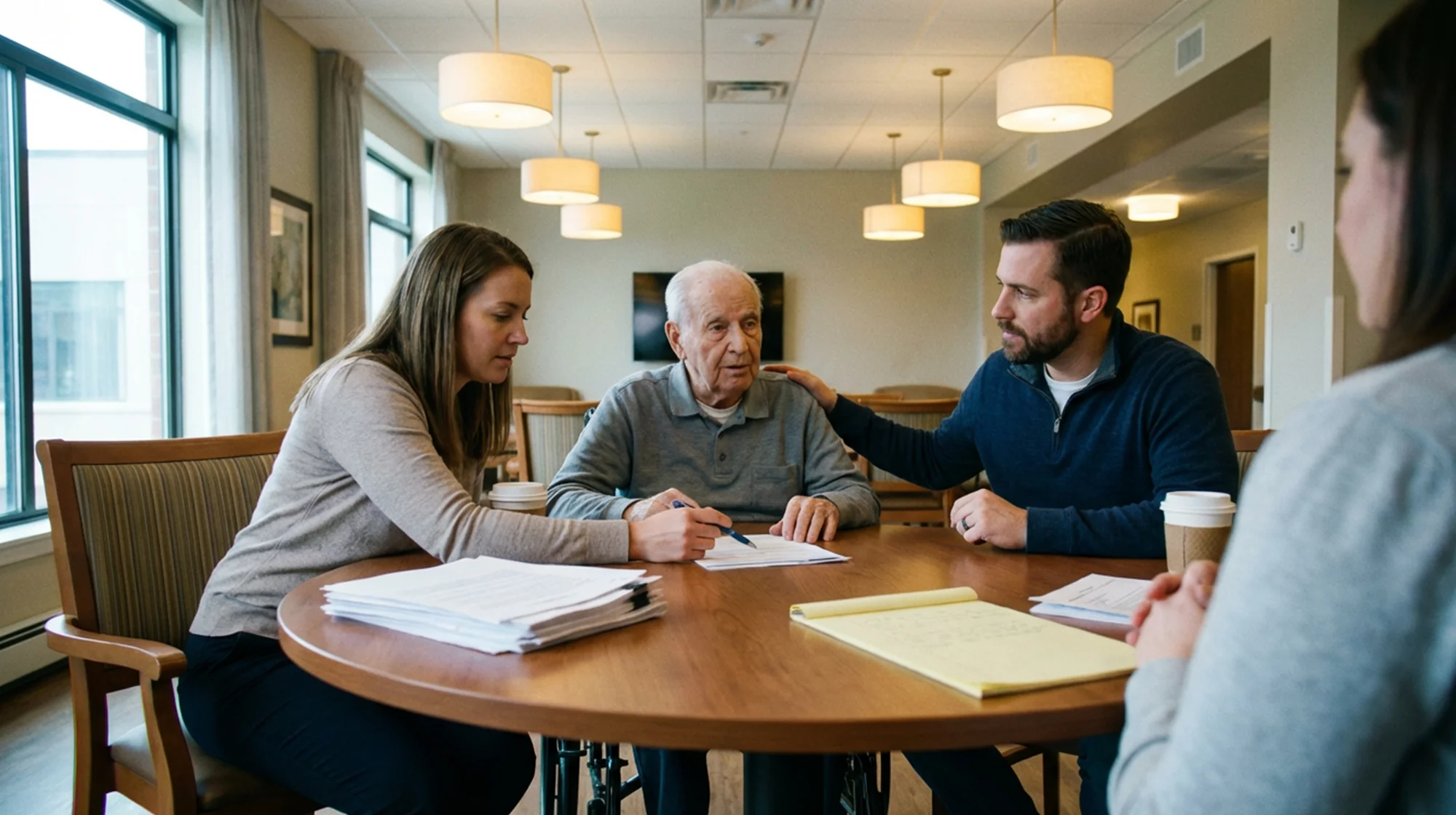
If your loved one is stable, request a care plan meeting with nursing leadership. The goal is to understand what safeguards will change going forward: increased supervision, therapy referrals, wound care consults, or revised fall prevention measures. If you do not have confidence in the facility’s response, consider whether a transfer is appropriate. Transfers can be complex and should be coordinated with medical providers, but safety is the priority. If a transfer occurs, preserve all discharge paperwork and request complete records from the facility.
If you believe neglect or abuse may be involved, reporting can help protect your loved one and other residents. Depending on the situation, you may report concerns to facility administration, a long-term care ombudsman program, or state regulators. Reporting is not about escalation for its own sake—it is about creating a documented pathway that triggers oversight when a facility’s explanations do not match the injury severity.
Not every injury is negligence. But certain patterns justify a closer look: repeated injuries, advanced pressure sores, delayed medical response, inconsistent explanations, missing documentation, or a facility that becomes defensive when you ask for records. A legal review can focus on whether the facility followed its own care plan, whether staffing levels were reasonable, and whether the injury was preventable. Early review is important because records and video can be lost with time, and witnesses’ memories fade.
Nursing home cases are evidence-driven. A meaningful evaluation usually involves reviewing medical records, facility charting, incident reports, and care plans to identify what should have happened versus what did happen. In many cases, the timeline—when staff noticed symptoms, when providers were contacted, and when treatment was provided—becomes central. If the injury resulted in hospitalization, those hospital records can help clarify severity and causation. The goal is accountability: ensuring families understand their options and that preventable harm is addressed.
If you are researching nursing home injuries and neglect, these SG Legal Group resources may help you understand warning signs and next steps.
• Nursing Home Abuse & Neglect
When your loved one is injured in a nursing home, you deserve clear answers. Start with medical safety, then build a careful record of what occurred and what the facility did in response. If something does not add up, trust your instincts and seek guidance. Timely action can prevent further harm and preserve the evidence needed to understand whether the injury was preventable.
If your loved one suffered a nursing home injury in Maryland and you need clear guidance, SG Legal Group can help you evaluate what happened and what options exist. We can review the available records, identify red flags, and explain next steps aimed at protecting your loved one and holding facilities accountable when appropriate.
Disclaimer
This article is for general informational purposes and is not legal advice. Every case is different. For advice about your situation, contact a lawyer.
Joshua C. Sussex, Esq.
Stay informed with our latest articles and resources.