Personal Injury
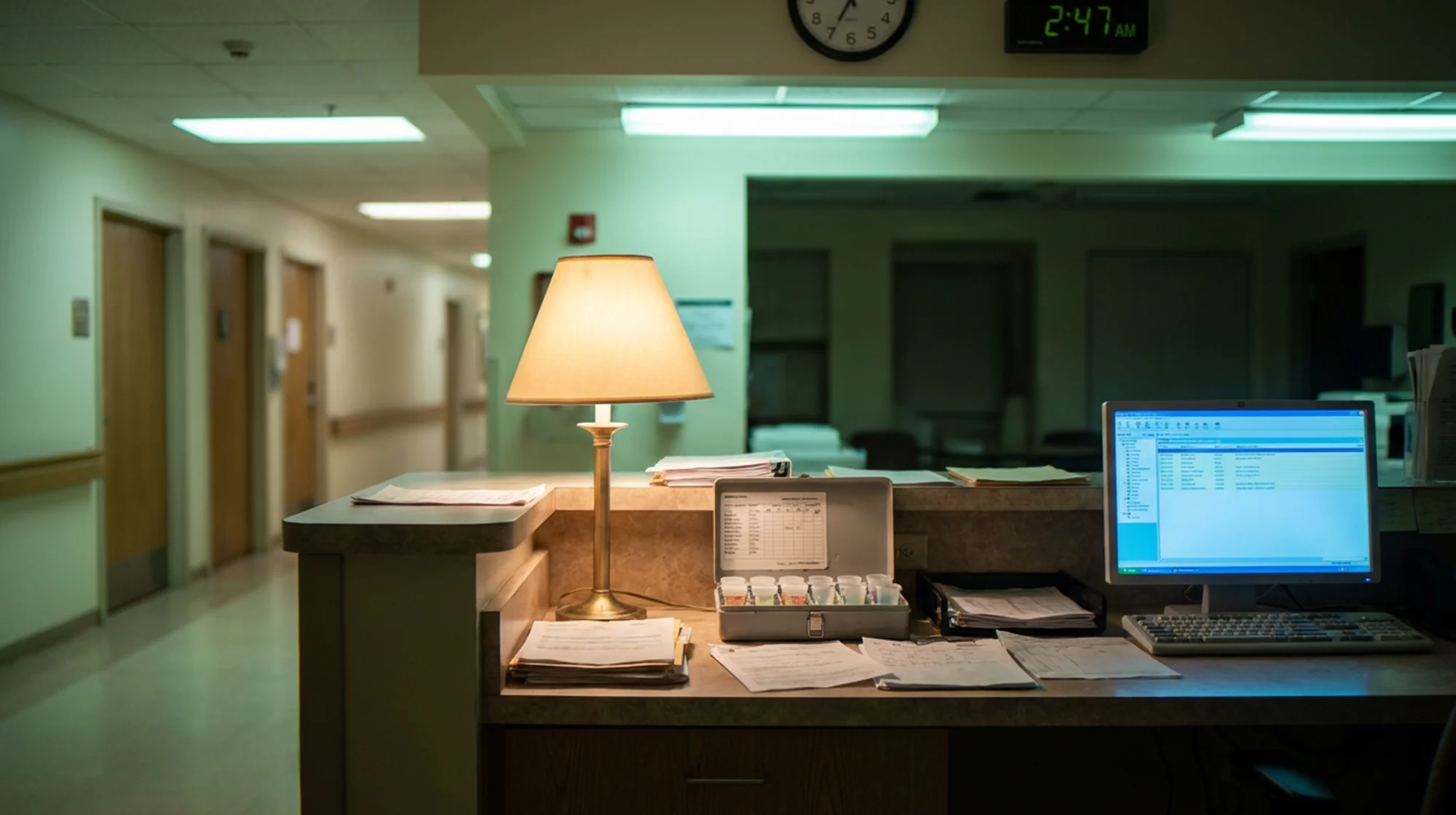
Nursing home staffing shortages in Maryland are one of the most common root causes of preventable resident injuries. When a facility is short on certified nursing assistants (CNAs), nurses, or support staff, basic care tasks become rushed, delayed, or skipped. That may look small in the moment—an unanswered call light, a missed toileting round, a late medication pass—but the results can be devastating. Families often notice the pattern before anyone else: residents waiting too long for help, staff who appear overwhelmed, and a care environment that feels reactive instead of planned. If a loved one suffers a fall, develops pressure sores, becomes dehydrated, or is repeatedly sent to the hospital, understaffing is a factor that deserves close scrutiny.
Staffing is not just an operational issue—it is a safety issue. Nursing homes are expected to assess each resident’s needs and implement a care plan that addresses mobility, hygiene, nutrition, wound prevention, medication management, and supervision. Those plans require hands-on labor.
Turning and repositioning schedules, fall-risk checks, hydration monitoring, and skin assessments do not happen on their own. When staffing is thin, the facility may still have policies “on paper,” but residents experience the reality: missed rounds, delayed responses, and inconsistent documentation. In neglect claims, a frequent theme is the gap between what the care plan promises and what the staffing levels realistically allow.
Understaffing tends to cause the same categories of harm again and again because nursing home care is routine-driven. If a resident needs assistance transferring from bed to chair, delayed help increases the odds they try to stand alone. If a resident is incontinent, delayed toileting and hygiene checks increase the risk of skin breakdown and infection. If a resident is at risk for aspiration, rushed feeding or inadequate supervision can lead to choking events. These outcomes are not “random.” They are foreseeable when facilities do not have enough staff for the number and acuity of residents.
Families should be alert to injuries and complications that frequently correlate with inadequate staffing. These issues can occur even in facilities that appear clean and well-managed at first glance.
Falls and Supervision Failures
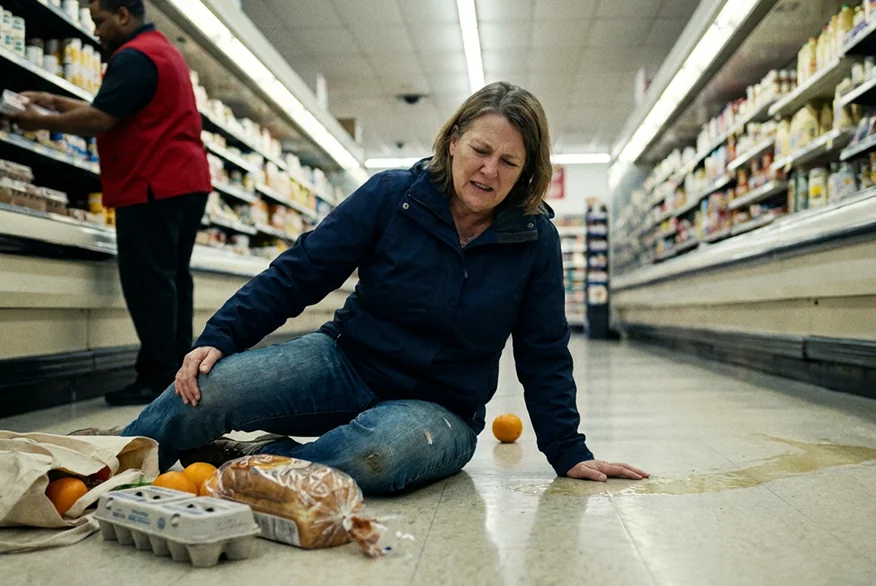
Falls are a leading cause of serious nursing home injuries. In many cases, the fall itself is not the entire story—what matters is why it happened. Residents identified as fall risks typically require assistance with transfers, mobility aids, and supervision during toileting or walking. When a unit is understaffed, staff may not be able to respond promptly. Residents may wait, become anxious or uncomfortable, and try to move without help. A fall can cause hip fractures, shoulder fractures, traumatic brain injuries, and long-term loss of independence. In a neglect case, staffing levels and response times are often key facts, especially if the resident had a documented fall-risk plan that was not followed.
Pressure Sores and Missed Repositioning
Pressure sores are another classic sign of care breakdown. Preventing pressure ulcers requires regular turning and repositioning, skin checks, adequate hydration and nutrition, and timely treatment when early signs appear. Understaffing makes these tasks harder to perform consistently, and it also affects documentation. Facilities may have “turning logs,” but if staffing is insufficient, those logs may not match reality. Advanced pressure sores—especially Stage III and Stage IV wounds—typically develop over time and may suggest prolonged pressure without adequate intervention. If you suspect staffing played a role, it is important to preserve wound care notes, care plans, and any turning/repositioning records.
Medication Errors and Delayed Medical Attention
Medication administration in long-term care requires attention to timing, dosage, interactions, and monitoring. When nurses are overloaded, errors become more likely: missed doses, incorrect dosages, or delayed response to adverse reactions. Staffing shortages can also delay assessment when a resident’s condition changes. A resident who becomes confused, feverish, short of breath, or in pain may need prompt evaluation. If the facility is short-staffed, symptoms may be dismissed as “baseline” or not escalated quickly enough, leading to preventable emergencies.
Families are often the first to notice warning signs because they see the day-to-day experience, not just the facility’s marketing. Understaffing may show up as repeated unanswered call lights, residents left in soiled clothing, hurried meals, unexplained bruising, or frequent use of restraints or sedating medications. You may hear staff apologize that they are “short today,” or you may notice high turnover where familiar staff disappear every few weeks. These observations matter. They can help establish a timeline and may support the conclusion that the resident’s injury was not an isolated event.
In nursing home cases, documentation is often the difference between suspicion and proof. When staffing shortages contribute to injury, the records can reveal it—sometimes directly, sometimes through inconsistencies. Key evidence may include incident reports, care plans, nursing notes, wound care documentation, medication administration records, and staffing schedules.
Regulatory inspection reports may also show prior deficiencies. If a resident is transferred to a hospital, those records can provide an independent snapshot of the resident’s condition and the suspected cause of the injury.
If you suspect nursing home staffing shortages in Maryland contributed to neglect, focus on safety first and documentation second. Ask for a care plan meeting. Request clarity on how the facility is addressing your loved one’s needs. Keep a written log of dates, times, and concerns. If a serious injury occurred, consider requesting an independent medical evaluation and preserving records immediately. If you are comfortable, ask direct questions about staffing on the shift when the incident occurred. Consistent, detailed notes can be very helpful if legal action becomes necessary.
Neglect cases often require careful investigation—especially when facilities argue that injuries were unavoidable. A staffing-related claim may involve reviewing care plans, comparing them to charting and staffing logs, and evaluating whether the facility’s systems were reasonable for the resident’s needs. If your loved one was harmed, a prompt consultation can help determine whether the injury reflects a preventable breakdown in care.
For more information, you may also want to read our related resources on nursing home neglect and abuse. These pages explain warning signs, documentation tips, and legal options.
• Nursing Home Abuse & Neglect
When a facility is understaffed, preventable injuries become more likely. Families deserve transparency about what happened, what safeguards were in place, and whether the nursing home met basic standards of care. If you suspect staffing shortages contributed to harm, getting answers early can protect your loved one and preserve critical evidence.
If you believe a nursing home staffing shortage contributed to your loved one’s injury, SG Legal Group can help you evaluate next steps. We can review records, identify red flags, and explain options for holding a facility accountable. Learn more about our nursing home neglect practice or contact us for a consultation.
Disclaimer
This article is for general informational purposes and is not legal advice. Every case is different. For advice about your situation, contact a lawyer.
Joshua C. Sussex, Esq.
Stay informed with our latest articles and resources.